The age of robots is closer than we think: intelligent robotic systems are no longer just working with us on production lines, but are also finding their place in healthcare, education, and thus in our everyday lives as well. How does robot psychology make machines more "human"? How can robots help solve the demographic and economic challenges ahead, and what futuristic roles will they play in the factories of the future? Are we ready to live and work together with them?
Intelligent Robotics FAIR 2026: Focus on Human-Robot Interactions
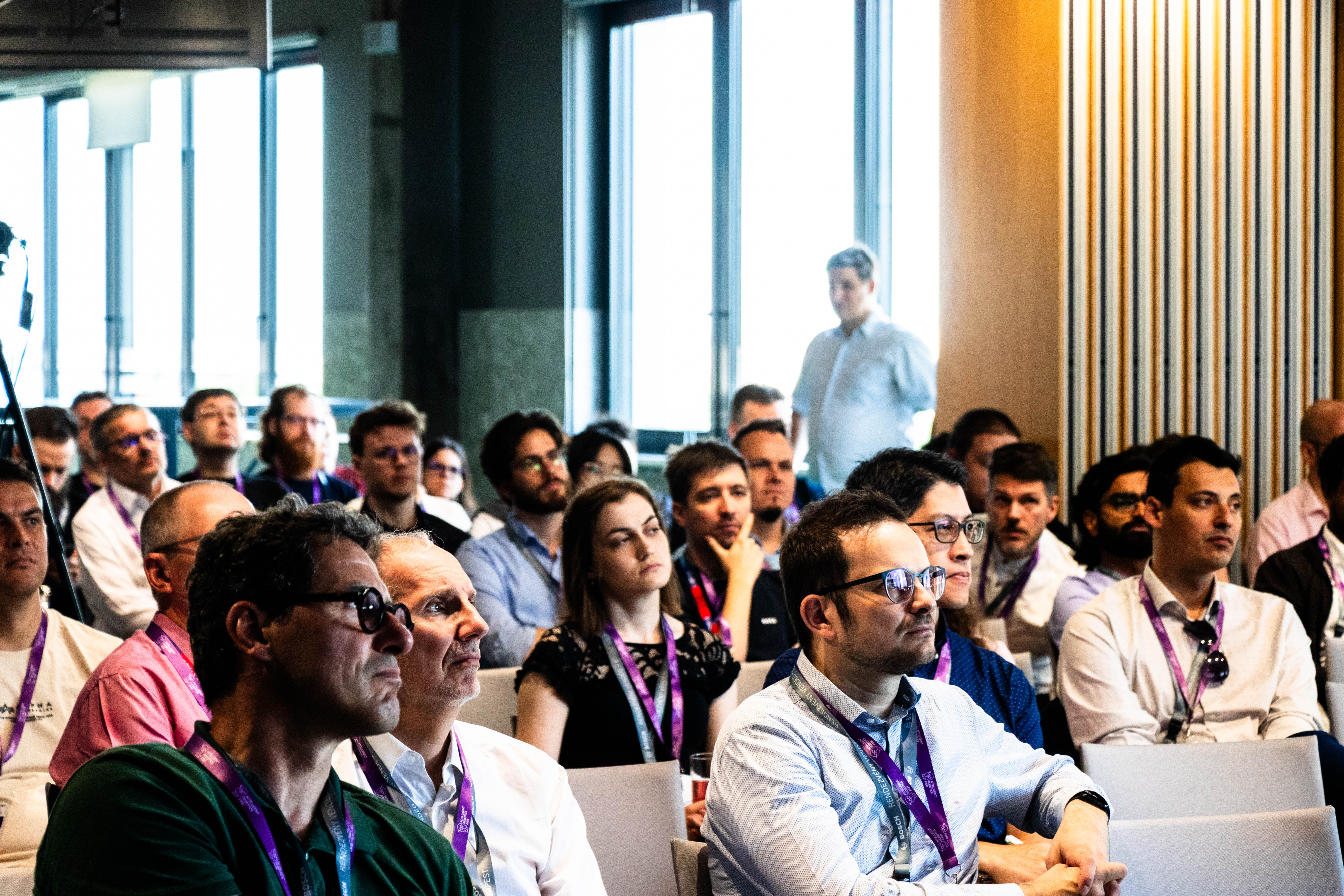
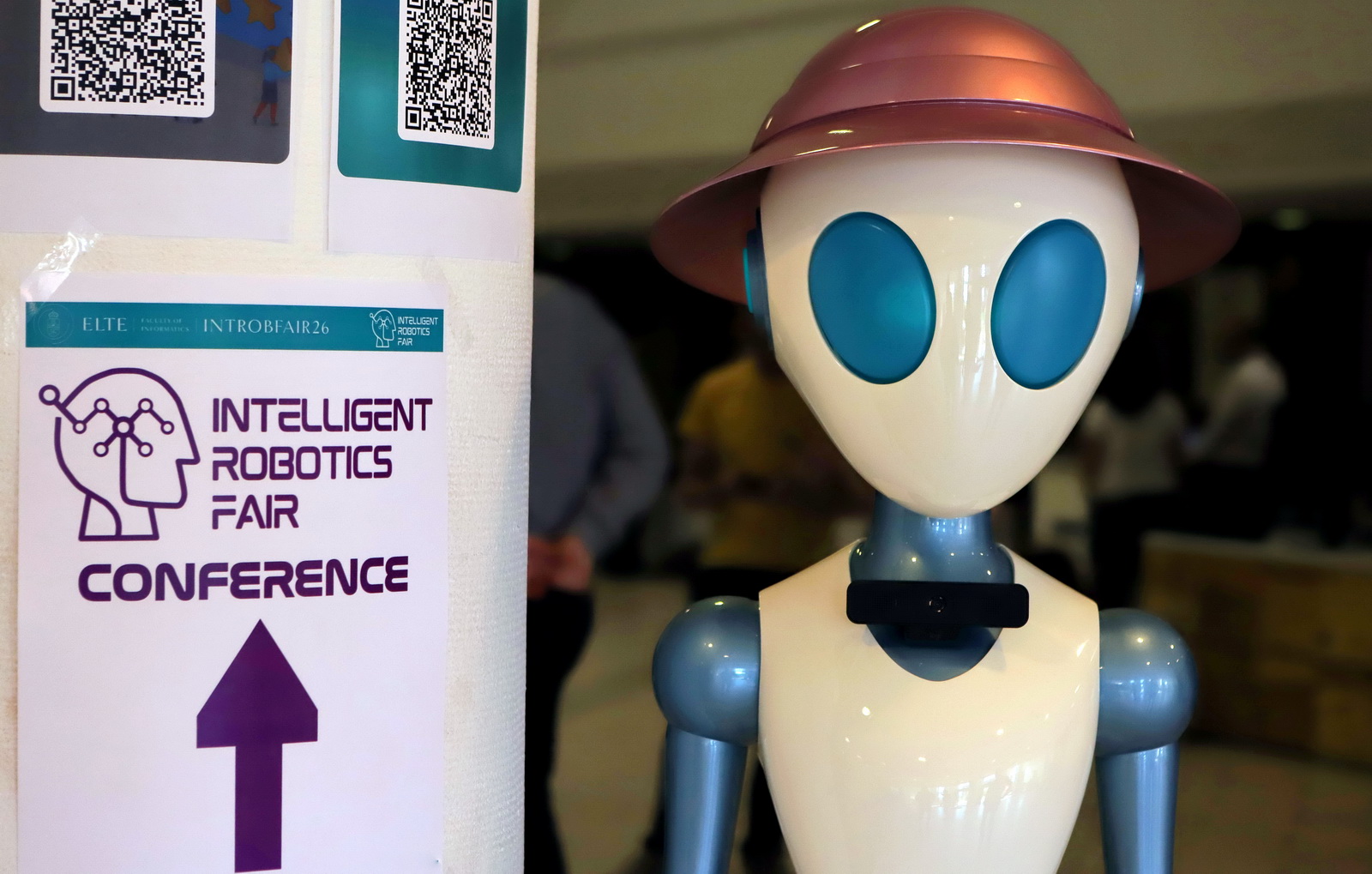
The Intelligent Robotics FAIR 2026 innovation forum, organized in collaboration between the Faculty of Informatics at ELTE and the Bosch Group in Hungary, sought answers to the most current questions in robotics technology. This comprehensive event focusing on robotics and artificial intelligence, the first of its kind in Hungary hosted by a university-industry partnership, was organized for the second time this year. The central theme of the event was the social and industrial integration of intelligent robotic systems, with a special focus on human-robot interactions and embodied AI.
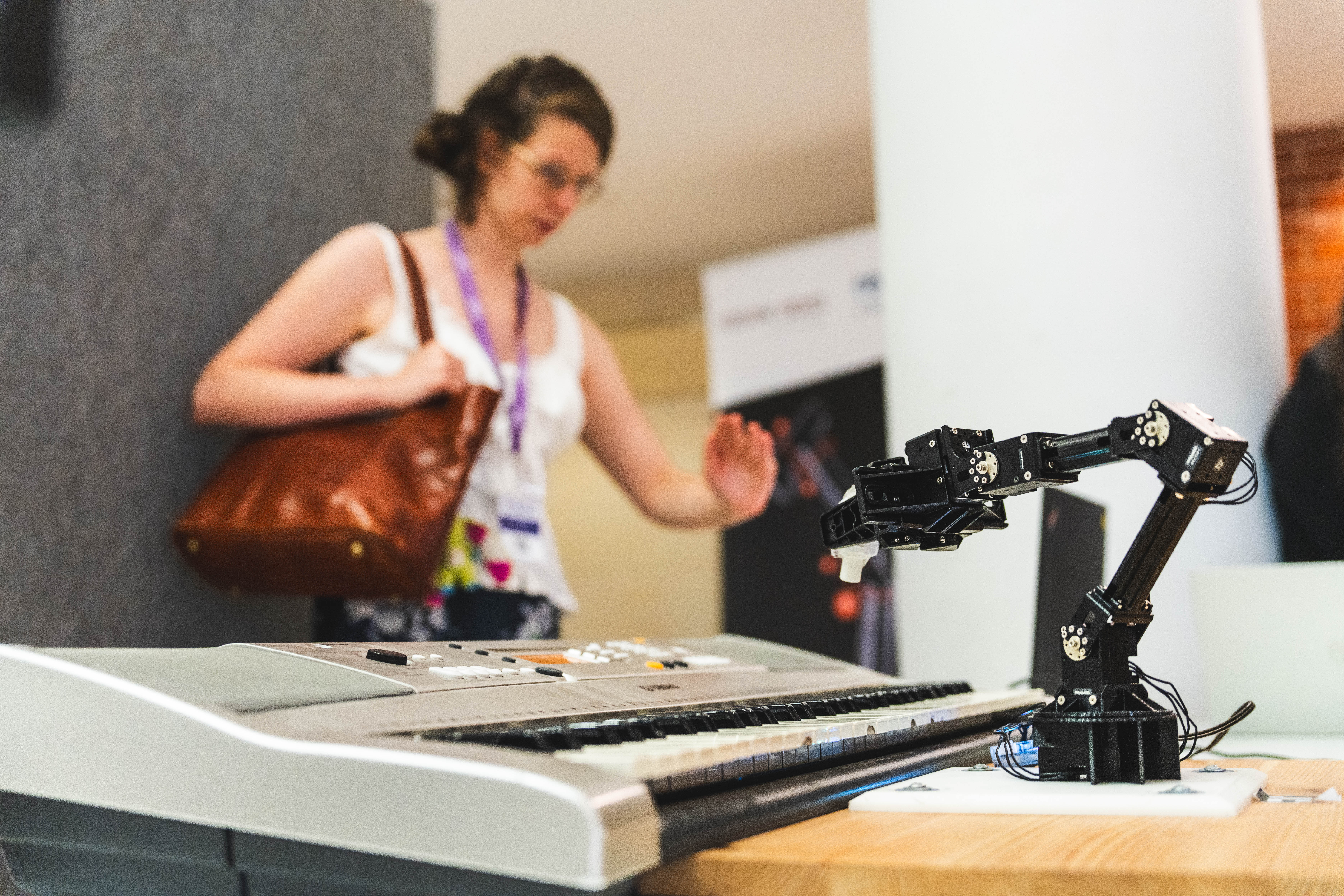
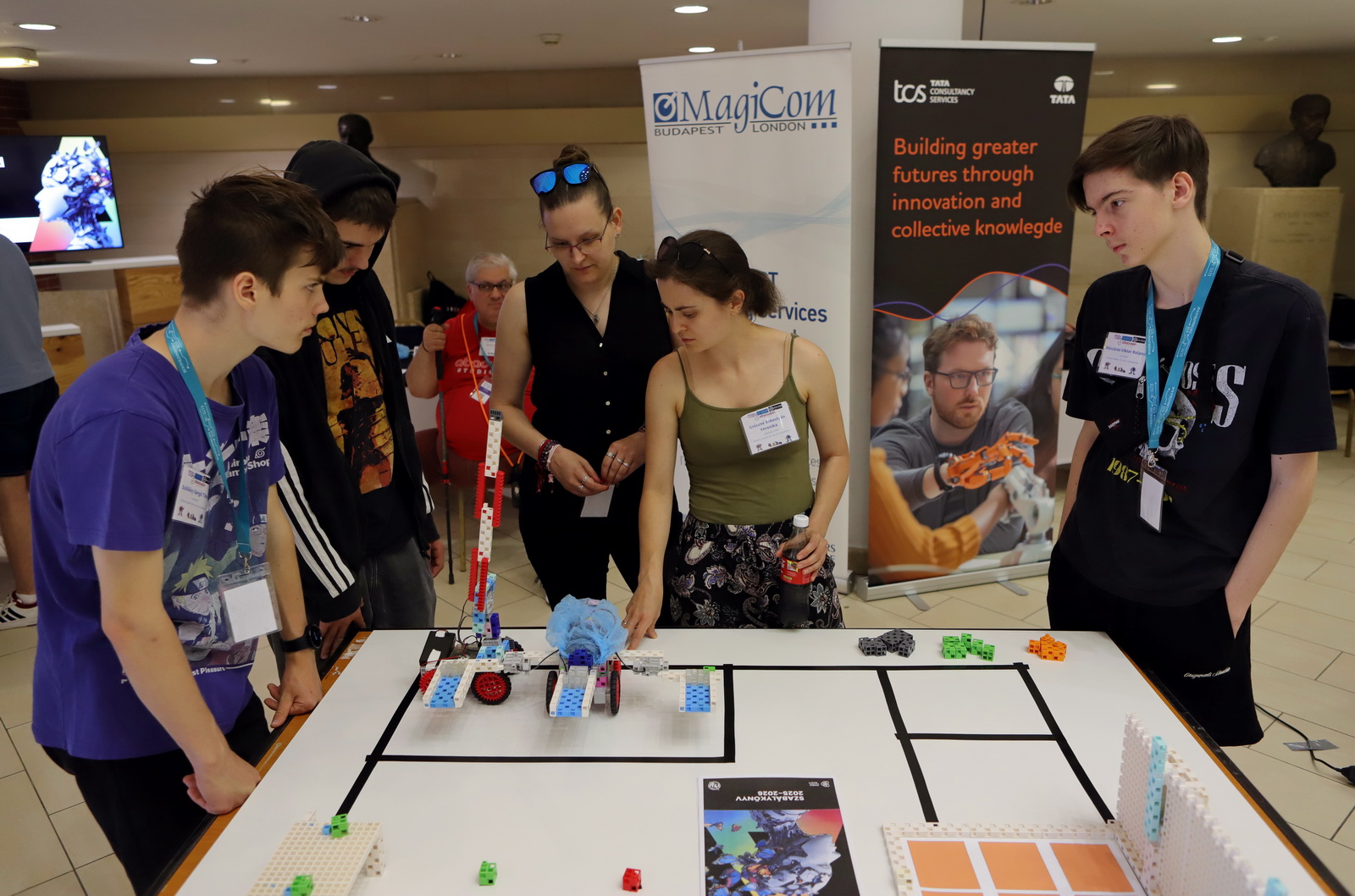
The international scientific and innovation event, held 18-20 June 2026 at ELTE and the Bosch Budapest Innovation Campus, provided insights into the rapidly developing field of robotics technology and the latest applications of artificial intelligence through lectures, expert panels, and live demonstrations—from the innovations of international and Hungarian universities, research institutes, and technology companies. The three-day event included a conference, a robotics exhibition, and a family day, building bridges between science, the corporate world, and everyday users and enthusiasts. The Intelligent Robotics FAIR concluded with the Meet a Robot Day, where the general public could discover the intelligent developments of the future and the fascinating world of robotics and artificial intelligence through colorful presentations, workshops, games, and educational talks. Meet a Robot Day also hosted the finals of the Robotics 4 Good Hungary international robotics competition as well as the ELTE-Qubit robotics card game development competition.
ELTE-Bosch Joint Solutions in Robotics and AI
According to Bosch’s vision, the rise of robots is opening a new chapter in innovation. With its extensive solutions, the company plays a significant role both globally and in Hungary in advancing robotics based on artificial intelligence. For six years now, the ELTE-Bosch Department of Artificial Intelligence has been operating successfully at the ELTE Faculty of Informatics, and several of its research projects were showcased at the Intelligent Robotics FAIR 2026. Joint developments by ELTE and Bosch are contributing to innovation and industrial application in robotics, autonomous vehicles, machine vision, drone technology, and so-called neuromorphic systems, which increasingly model human brain function.
"As a leading global supplier of innovative technologies and services, Bosch is actively developing the key elements of automation and robotics, including the latest solutions representing the 'brains and nervous systems' of robots. As part of our strategy, we were pleased to join the Intelligent Robotics FAIR 2026 as organizers, exhibitors, and hosts. This event marks another important milestone in the professional collaboration between ELTE and Bosch. Our aim is to work together with the academic sector to broaden the local innovation ecosystem and shape the future of artificial intelligence and robotics, for which Intelligent Robotics FAIR 2026 provides an excellent professional platform," said Mátyás Pótsa, Head of Innovation Ecosystem for the Bosch Group in Hungary, in connection with the conference.
"The Intelligent Robotics Fair is being held for the second time this year through the collaboration of Bosch and the Faculty of Informatics at ELTE. When we launched this unique event, our aim was to create a tradition and to provide a meeting opportunity around robotics and artificial intelligence for researchers, engineers, companies, university students, decision-makers, and families interested in technology, to build bridges between science, technology, and society. We are very pleased to be realizing these goals in partnership with the Bosch Group, now for the second time," emphasized Tamás Kozsik, Dean of the Faculty of Informatics at ELTE.
Robot Doctors and Robot Nurses in Healthcare?
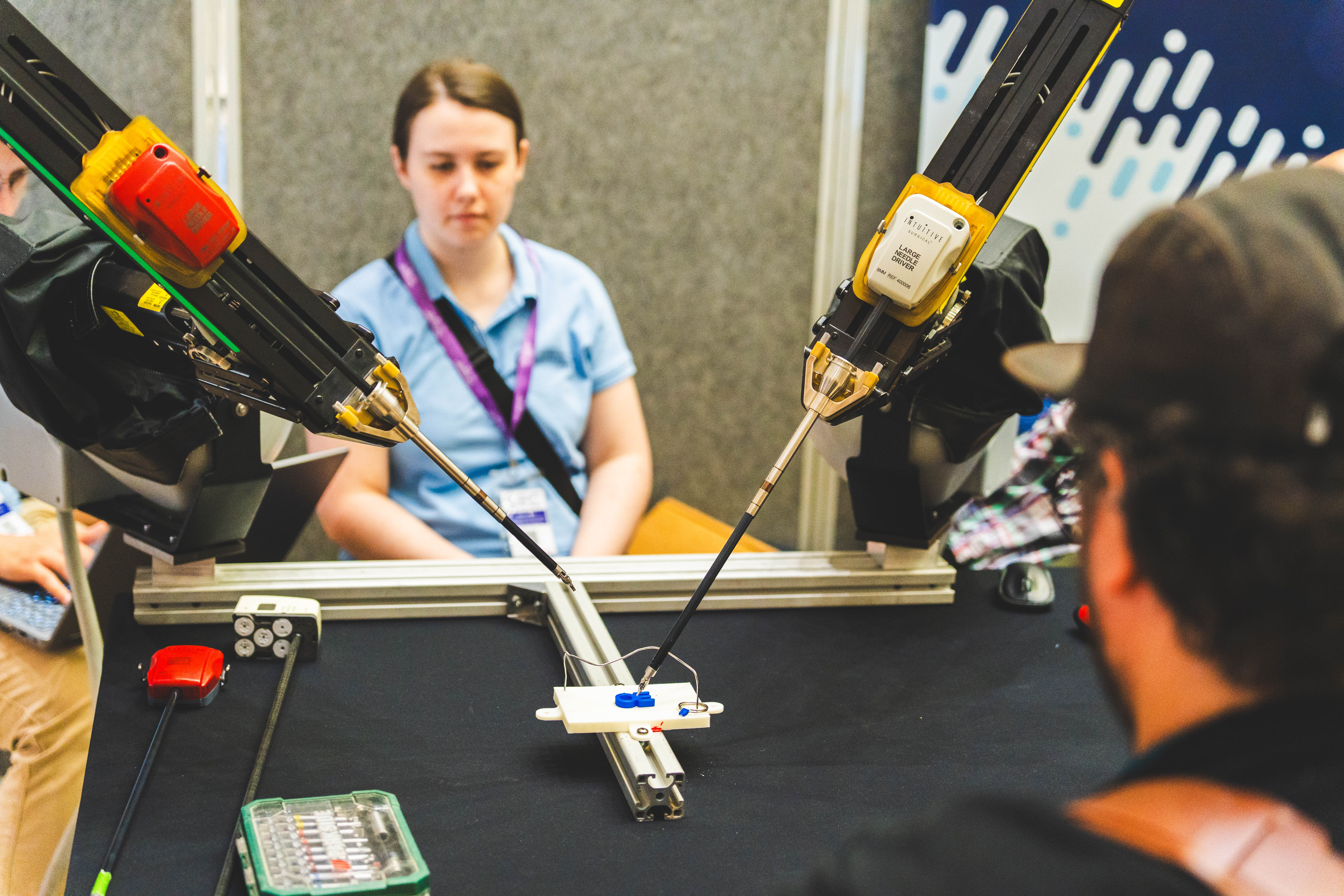
Innovations in healthcare robotics are currently among the most promising directions in robotics technology. Participants of the conference were given a glimpse into the world of robot-assisted surgery, where special surgical robot arms assist doctors with extremely precise movements. With these solutions, medical interventions become more accurate, safer, and less burdensome for patients. At the interactive exhibition, visitors themselves could try controlling a surgical robot arm using a unique device, gaining hands-on experience with the technology.
According to experts at the conference, healthcare robotics may soon also ease another important social issue: the shortage of caretakers and nurses. Robots offer effective solutions primarily for time-consuming, repetitive, or physically demanding care tasks, freeing up more time and capacity for truly human-centered care and professional decision-making.
Dilemmas Surrounding Humanoid Robots: How Can Robot Psychology Help Human-Robot Collaboration?
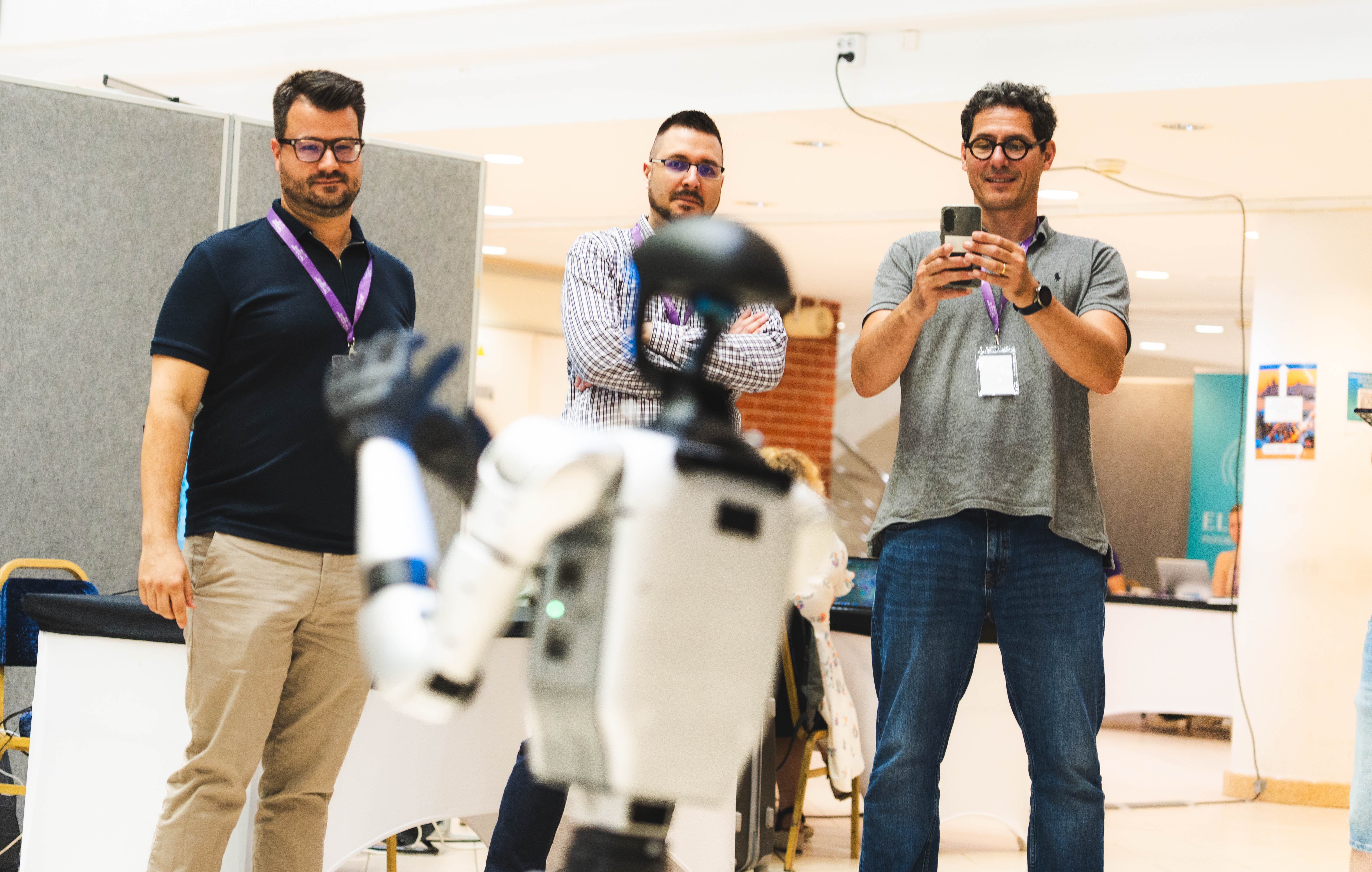
The new types of applications, user-friendly and safe operation of robots pose entirely new challenges to developers. The key question is not simply how intelligent these systems are, but also how they can build natural and trust-based relationships with people. This is exactly what the field of robot psychology is searching for: the social robots of the future can become effective helpers not only through advanced algorithms, but even more so thanks to a deep understanding of human behavior, communication, and social interactions—for example, in healthcare, education, or service industries, as emphasized by the speakers at the Intelligent Robotics FAIR 2026.
Cleaner Hospitals, More Hygienic Public Transport—Robots Can Do That, Too
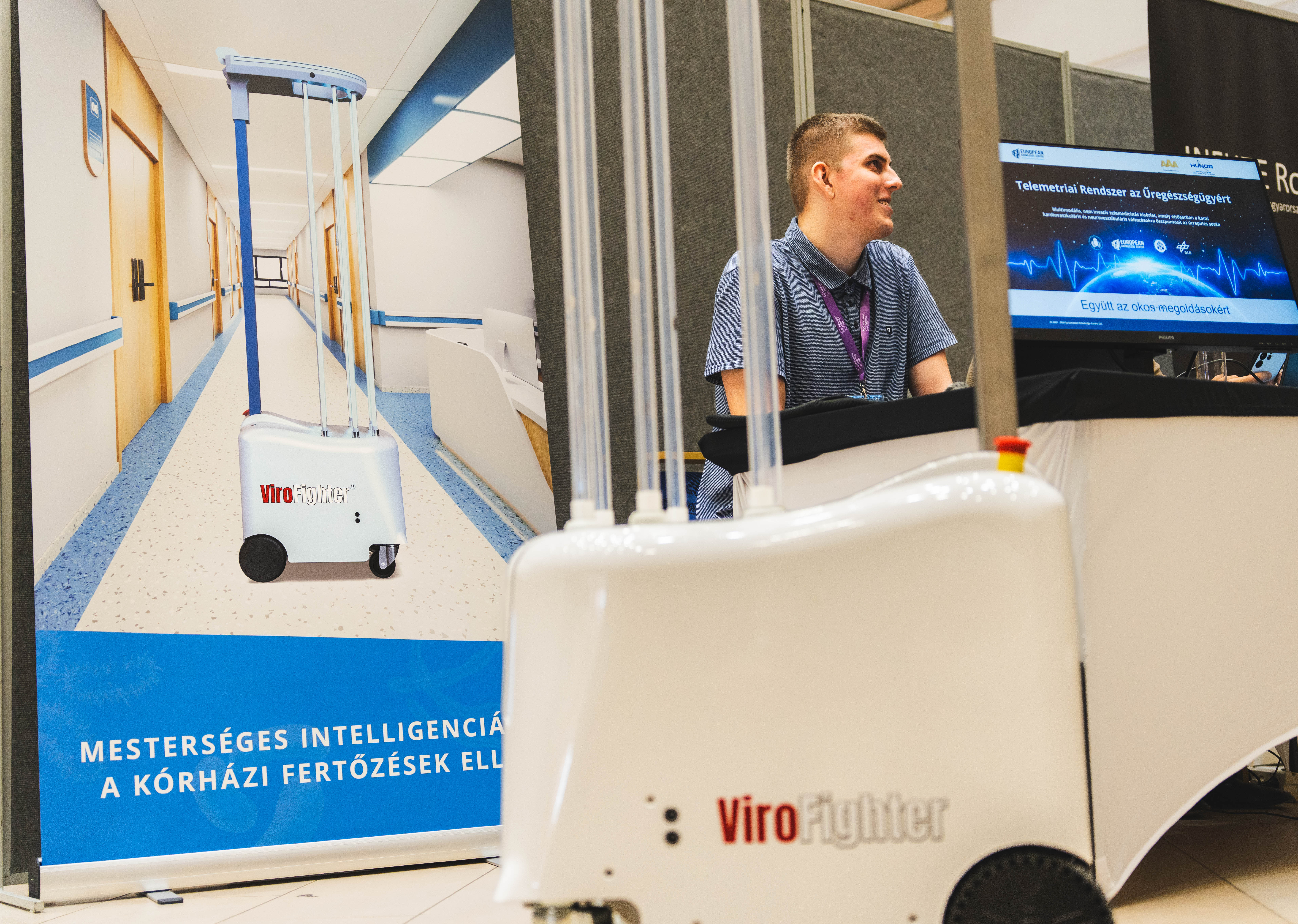
Robotics can help us in the future to fight pathogens in the field of hygiene as well. At the Intelligent Robotics FAIR, an autonomous robot was on display that navigates rooms with UV-C light, disinfecting air and surfaces without human touch. This futuristic machine could be used in hospitals, nursing homes, schools, or even public transport vehicles—anywhere rapid and chemical-free disinfection is needed.
Quadruped Robot Dogs, Drones, and Research Robots Put Themselves on the Line for Us
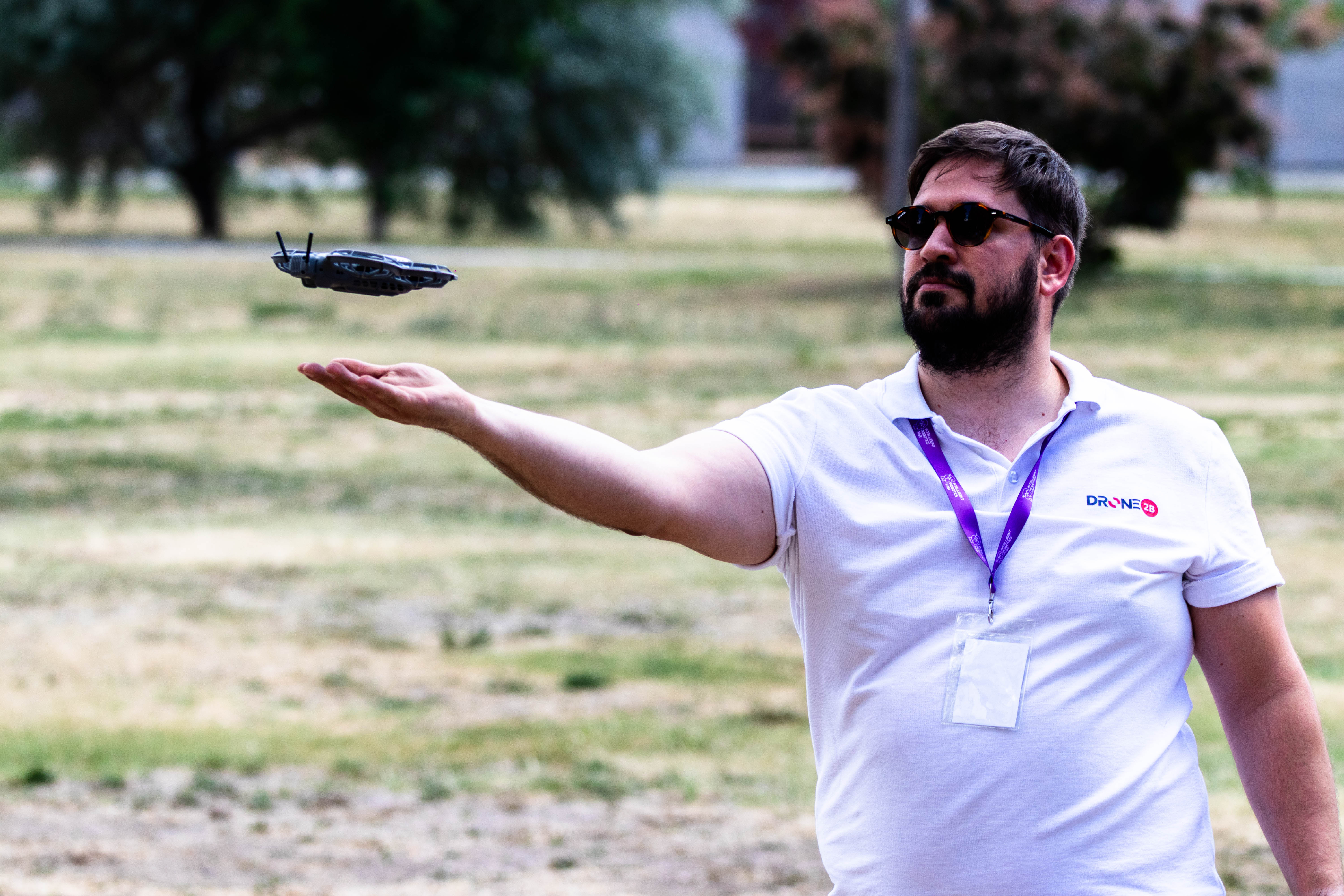
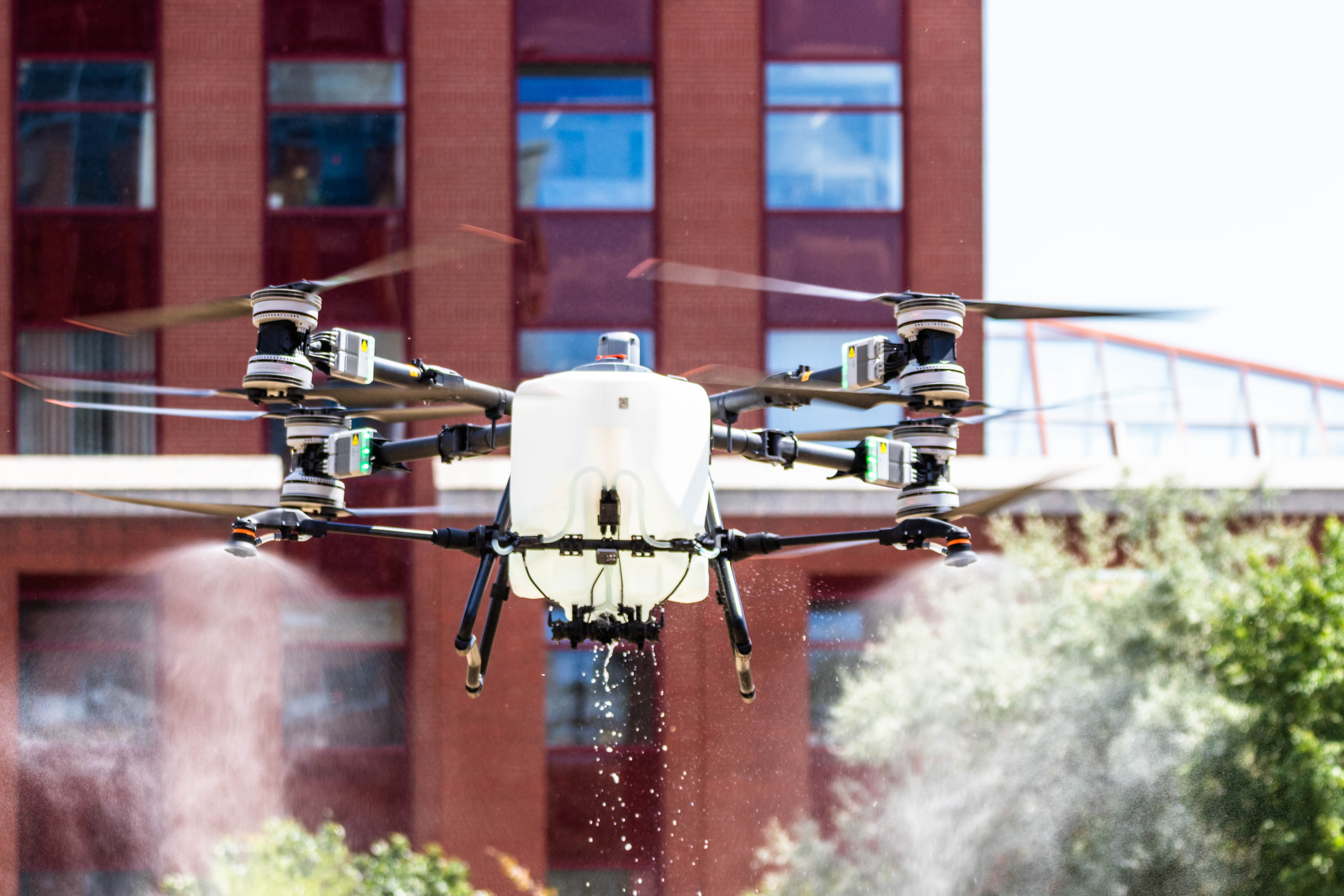
Autonomous devices for the most diverse applications, such as drones, robot dogs, and research robots, can be deployed effectively for tasks that pose life-threatening risk to humans. The "robot scouts" on show at Intelligent Robotics FAIR can successfully reach risky locations like caves, tunnel systems, underwater infrastructure, or flooded mines. They dive in so we don’t have to, map hidden passages, and bring back valuable data from extreme environments that have been virtually inaccessible to researchers until now.
Robots and Digital Twins Can Revolutionize Industry
While the rise of robots in healthcare and our everyday lives is a matter of the near future, intelligent robotic systems are already playing an ever-stronger role in factories, with the trend intensifying. Intelligent Robotics FAIR 2026 showcased a wide spectrum of industrial applications for robotics, including Bosch’s latest related developments. It became tangible how automated manufacturing, robotic material handling, and AI-based sensing are transforming industry, and how digital twins function in the operation of new-generation factories. The conference highlighted: in the factories of the future, robots, artificial intelligence, and digital twins will work even more closely together to make production faster, more precise, and more efficient.
Intelligent Robotic FAIR 2026